

Greer, South Carolina has become one of the Upstate’s most talked-about places to relocate—and it’s easy to see why. You get a comfortable “small-town heart” feel with strong job access, a growing food scene, family-friendly neighborhoods, and quick routes to Greenville, Spartanburg, and the mountains. At the same time, Greer is growing fast, and that growth comes with real-world tradeoffs like traffic, construction, and a more spread-out layout than some newcomers expect.
If you’re considering a move to Greer, this guide walks you through the key things to know before you pick a neighborhood, sign a lease, or close on a home. You’ll get the practical details people usually learn after they arrive—so you can plan your move with fewer surprises and a lot more confidence.
Where Is Greer, SC—and Why Location Matters
Greer sits in a prime spot between Greenville and Spartanburg, which is a major reason it’s attracting new residents. You’re close enough to enjoy the restaurants, shopping, and events of Greenville, but you also get convenient access to Spartanburg’s growing business corridors and the broader Upstate job market.
Another big advantage is proximity to Greenville-Spartanburg International Airport (GSP). For frequent travelers, having the airport nearby can be a quality-of-life upgrade. The location also puts you within easy reach of weekend trips—mountain towns, lakes, and outdoor escapes are all part of the lifestyle in this region.
The main thing to understand is that Greer is not “one vibe.” Downtown Greer feels charming and community-centered, while many surrounding areas feel more suburban and development-driven. Your experience will depend heavily on where you land and what your daily commute looks like.
Cost of Living in Greer, SC
A big draw for Greer is that it often feels more affordable than larger metro areas, especially for people relocating from out of state. But “affordable” can vary depending on whether you’re buying, renting, or choosing new construction.
Housing Costs
Greer’s housing market has seen steady growth. You’ll find a mix of older homes with character, established neighborhoods, and newer subdivisions that cater to families and commuters. New construction can be attractive for modern layouts, but it may also come with HOA rules and an area that still feels like it’s being built out.
If you want a walkable feel and local events nearby, you may pay more to be closer to downtown. If you’re okay with a more suburban layout, you can often get more space further out, especially in newer developments.
Renters will typically see pricing tied to convenience. Being close to major roads, job centers, or Greenville can influence rent more than you might expect.
Everyday Expenses
Day-to-day costs like groceries, utilities, and basic services are generally manageable for many households, especially compared to major cities. Transportation costs may rise if your routine involves commuting during peak hours or driving across the Upstate regularly.
One thing that can surprise new residents is how much time you spend in the car. Even when distances don’t look huge on a map, traffic patterns and light-heavy corridors can turn short drives into longer ones.
Property Taxes
Property taxes can feel slightly higher than some people expect, depending on your specific location and property details. It’s smart to review tax estimates early in the buying process, especially if you’re comparing Greer to nearby communities.
Job Market and Employment Opportunities
Greer’s growth is closely tied to the Upstate’s strong employment base, especially in manufacturing, logistics, and supporting industries. The wider region has attracted large employers and supply-chain networks that create steady job demand.
This is one reason Greer works well for professionals who want an affordable home base with access to multiple job corridors. Many people choose Greer because it gives them flexibility. If you change jobs later, you’re still positioned near a wide range of employers across the Greenville–Spartanburg area.
Remote workers also find Greer appealing because the cost-to-lifestyle balance can be strong. You can get more space, enjoy nearby outdoor options, and still have airport access for business travel.
Traffic, Commuting, and Transportation Reality
Greer’s location near I-85 is both a benefit and a challenge. It’s convenient, but it also means you’ll experience the same congestion patterns that come with a major interstate corridor—especially during rush hour and construction periods.
Wade Hampton Boulevard is another area that often comes up in day-to-day driving conversations. It has a lot of traffic lights, and travel times can swing widely based on the time of day. If you’ll be commuting into Greenville or moving through busy corridors, your start and end times can make a big difference.
If you want a smoother routine, think about:
- How close you’ll be to your workplace or primary destinations
- Whether you’ll need I-85 daily
- The “last mile” routes near your home that may be light-heavy or construction-prone
Greer is very livable, but it rewards planning. When choosing a home, it helps to test-drive your likely commute around the same time you’d do it on workdays.
Neighborhoods and Areas to Know in Greer
Greer has a mix of areas that feel very different from each other, and this is where many newcomers either fall in love or feel unexpectedly disconnected.
Downtown Greer is often the heart of the community feel. It’s where you’ll find local restaurants, coffee shops, events, and the kind of walkable charm people picture when they hear “small-town.” If being near that energy matters to you, it’s worth prioritizing.
Outside downtown, Greer spreads out into residential pockets and newer developments. Some areas feel quiet and established, while others are actively growing with new builds, roadwork, and expanding retail.
When choosing where to live, consider what matters most:
Proximity to work, school zones, a quieter setting, or being near downtown. In Greer, you can usually get two of those easily. Getting all of them at once can take more searching and a higher budget.
Schools and Education in Greer, SC
Greer is known for being family-friendly, and schools are often a major reason people choose the area. Like most places, school quality and experience can vary by zone, so it’s smart to research based on the exact address you’re considering rather than relying on broad impressions.
Many families also look at convenience factors: bus routes, after-school activities, and how traffic impacts morning drop-off. A school that’s “close” in miles can still be a longer ride if the route includes light-heavy roads.
If you’re moving with kids, it’s a good idea to line up a short list of neighborhoods that fit your school priorities, then compare them based on commute and lifestyle. That approach usually leads to better decisions than falling in love with a house first and figuring out schools later.
Lifestyle, Community, and Downtown Greer
A big reason Greer keeps winning people over is the balance between community and growth. You can still find that “everyone shows up” feel for local events, but you also have the convenience of larger shopping and restaurant options nearby.
Downtown Greer is a highlight for many residents. It has a revitalized feel with local businesses and a steady calendar of community happenings. If you like the idea of grabbing coffee, walking around, or running errands in a more relaxed setting, downtown access can be a lifestyle upgrade.
At the same time, the wider Greer area can feel suburban and spread out. Some neighborhoods are tucked away and quiet, while others are close to busy roads and commercial corridors. The right fit depends on your priorities and your tolerance for driving.
Outdoor Recreation and Things to Do
If you like being outside, Greer is in a strong position. You’re close to parks, lakes, and scenic routes, and the broader Upstate makes it easy to plan day trips.
Many residents enjoy local parks and community spaces for walking, sports, and family time. The mountains are also within reach, which makes hiking and outdoor weekends a realistic part of life rather than a once-a-year trip.
Greer also works well if you like variety. You can spend a low-key evening close to home, or head into Greenville for bigger events and nightlife without needing to relocate your entire routine.
Weather and Climate: What Newcomers Should Expect
Greer has a climate that feels distinctly Southern. Summers can be hot and humid, while winters are generally mild. Snow is not common, but it can happen occasionally.
One thing new residents often notice is how real allergy season can be in this region. If you’re sensitive to pollen, it’s worth planning ahead with the basics that make spring easier.
From a moving standpoint, weather matters most in the summer months. Heat and humidity can affect moving day comfort, and that’s where planning early morning start times and having a professional crew can make a noticeable difference.
Pros and Cons of Moving to Greer, SC
Greer is popular for good reasons, but it’s not perfect. Knowing both sides helps you choose it for the right reasons and plan around the downsides.
Pros
Greer offers a strong job corridor, especially when you consider the broader Upstate. It provides a comfortable blend of suburban living and community charm, with downtown Greer adding personality and local connection. Many people appreciate the overall value compared to larger metros, along with convenient airport access and quick weekend trip options.
Cons
Traffic can be a daily frustration, particularly on major routes and during peak times. Rapid growth can mean construction, changing neighborhoods, and a layout that feels more spread out than expected. Some areas may feel disconnected from downtown, especially if you imagined Greer as fully “small-town” in every direction.
Who Greer, SC Is Best For
Greer tends to be a great fit for people who want a high-quality Upstate lifestyle without needing to live in the center of a bigger city.
It works especially well for families who value space and a community feel, commuters who need access to both Greenville and Spartanburg, professionals connected to the region’s major employers, and anyone who wants outdoor options without sacrificing everyday convenience.
If you’re looking for a place that’s actively growing and improving, Greer can be an exciting choice. If you need a fully walkable lifestyle where you rarely drive, you’ll want to be more selective about location—or consider whether downtown Greenville fits better.
Moving to Greer, SC: What to Plan Before Moving Day
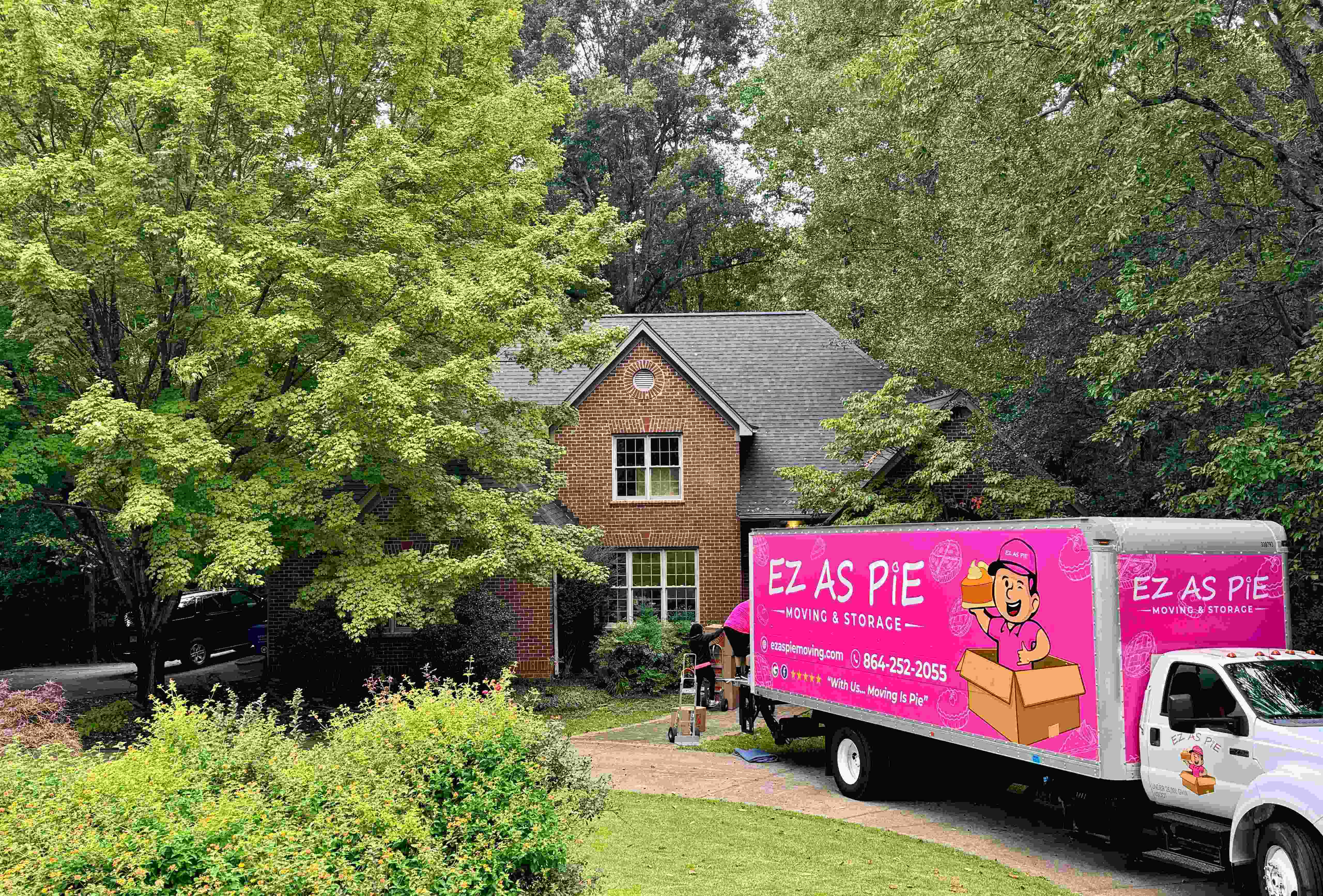
Once you decide Greer is right for you, the next step is planning your move in a way that keeps it smooth and predictable.
Start by thinking about the logistics of your specific neighborhood. Some areas have tighter streets, limited parking, or HOA rules that affect moving trucks and scheduling. Apartment moves can come with stairwells, elevator reservations, and narrow hallways that require a careful plan. New construction neighborhoods may have temporary road changes, active work zones, or less direct GPS routes.
If you’re moving during peak seasons, booking earlier can make a big difference. Summer weekends and end-of-month dates tend to fill up fast. A flexible move date can also help you secure the time slot you want.
This is where working with a local team matters. EZ As Pie Moving helps customers relocating to Greer with clear scheduling, flexible communication options, and practical planning support. If you prefer convenience, you can use online booking, text communication, and virtual in-home estimates to get moving details locked in without adding more stress to your calendar.
On moving day, the goal is simple: show up on time, protect the home, handle belongings carefully, and place everything exactly where you want it. EZ As Pie Moving’s trained professionals focus on working smart and treating your items with care, so you don’t have to worry about the details while you’re trying to manage everything else that comes with a relocation.
If you’re moving into Greer from another city—or moving across town and want it done right—the best plan is the one that removes surprises. A good walkthrough, clear expectations, and a reliable crew are what turn “moving day” into a smooth transition.
FAQs About Moving to Greer, SC
Is Greer, SC a good place to live?
Greer is a popular choice because it blends small-town charm with access to Greenville, Spartanburg, and major job hubs. It’s especially attractive for families and commuters who want space and convenience.
How expensive is it to live in Greer, SC?
Greer is often considered affordable compared to many metro areas, though housing costs vary by neighborhood and proximity to downtown or major routes. Budgeting for commuting and property taxes is also smart.
Is Greer closer to Greenville or Spartanburg?
Greer sits between both cities and offers convenient access to each. Which one feels “closer” depends on where you live in Greer and your route during peak traffic times.
How bad is traffic in Greer, SC?
Traffic can be heavy on I-85 and on busy corridors like Wade Hampton Boulevard, especially during rush hour and construction periods. Planning your commute times and routes can make a big difference.
What are the best neighborhoods in Greer?
The best neighborhood depends on your priorities—schools, commute, access to downtown, or a quieter suburban setting. Many newcomers start with those priorities, then narrow down based on lifestyle fit.
Is Greer growing fast?
Yes. Greer is experiencing rapid growth, including new developments, construction, and expanding commercial areas. This growth brings more options, but also more traffic and change.
Is Greer a good place for families?
Many families choose Greer for its community feel, access to schools, parks, and space for a comfortable day-to-day routine. Choosing the right school zone and commute setup is key.
When is the best time of year to move to Greer?
Spring and fall are often comfortable for moving, while summer can be busier and hotter. If you’re moving in summer, scheduling early and choosing a morning start can help.


